Innovative Trends Reshaping Sustainable Real Estate Development
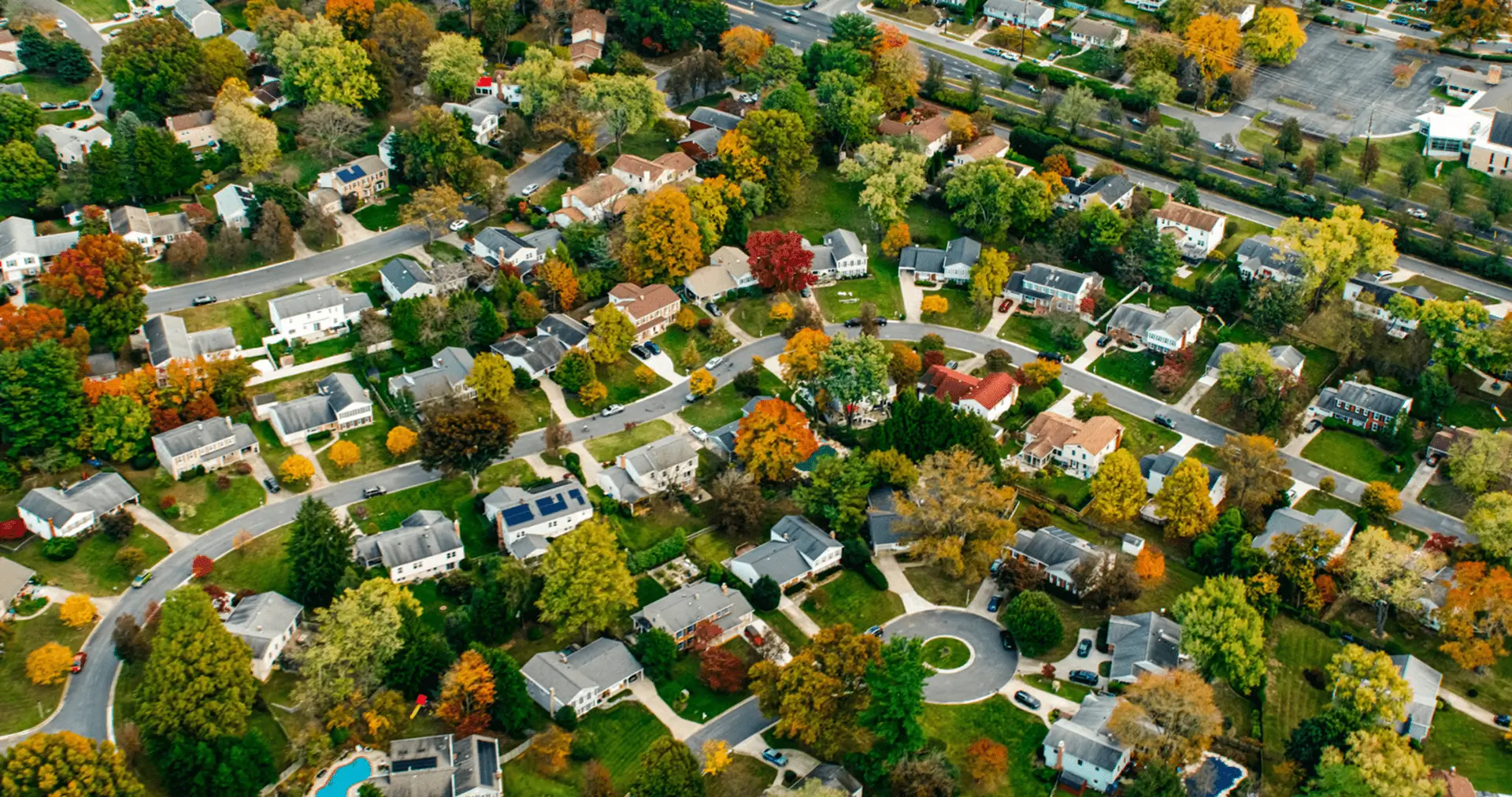
Walk the neighborhoods of Richmond, VA, or travel Route 301 in Southern Maryland and you will witness a transformation: solar rooftops, vibrant pocket parks, and smart-ready homes are reshaping the landscape. Discover five innovative trends propelling sustainable real estate development and learn how they benefit communities and investors alike.
Eco-Friendly Construction as the Foundation for Community Renewal
Eco-friendly construction begins long before ground is broken. Detailed pre-planning models sun paths, soil health, and storm-water flow to reduce waste and optimize energy use. The company’s material choices—recycled steel framing, low-VOC paints and adhesives, and cross-laminated timber—prioritize durability, indoor air quality, and carbon sequestration.
These materials, combined with energy-efficient HVAC systems, can lower utility bills by up to 30%, directly addressing high energy costs faced by residents. For those evaluating properties or investments, experts recommend reviewing embodied-carbon reports, blower-door test results for airtightness, and water-efficiency specifications such as dual-flush toilets and drought-resistant landscaping. Sharing these metrics with buyers reinforces the company’s environmentally responsible development commitment.
Green Building Trends in Richmond and Their Lasting Impact
Richmond’s efforts to streamline permits for LEED and EarthCraft projects have accelerated green building trends. Notable examples include LEED Gold rehabilitations in Church Hill with rooftop farms, biophilic design in new infill apartments featuring living walls and daylight corridors, and voice-activated energy dashboards that provide tenants with real-time consumption data.
These advances foster holistic community development, increase rental premiums, and enhance neighborhood market values. Investors and buyers are encouraged to prioritize projects with third-party certifications, ensure smart-home technology uses open protocols for future compatibility, and consider green tax incentives that can offset upfront costs by as much as 26%.
Energy-Efficient Homes Lighting the Path in Southern Maryland
In Calvert and Charles counties, rising utility rates and humid summers make high-performance building envelopes and solar integration essential. Some developers specify R-49 attic insulation, insulated concrete forms, and passive-solar overhangs to reduce cooling loads by 20%. Community solar co-ops make rooftop arrays accessible, allowing families to lease panels and realize immediate savings.
Smart energy management systems help optimize energy use during peak periods, benefiting churches and community centers with variable occupancy. When assessing energy-efficient homes, experts recommend checking for Home Energy Rating System (HERS) scores below 55, ensuring inverters are battery-ready for backup power during coastal storms, and working with developers familiar with PACE or USDA REAP financing to maximize returns.
Affordable Housing Solutions for Underserved Neighborhoods
Although Richmond’s tech sector is thriving and Maryland emphasizes smart growth, many families still face affordability challenges. Some developers address this with innovative affordable housing solutions such as modular construction, which reduces build times and carrying costs by 25%, and shared-equity models that allow occupants to build wealth while keeping homes attainable.
Layered financing, including Low-Income Housing Tax Credits and Maryland’s $37.7 million revitalization grants, enables viable development. The Willowbrook project, for example, delivered 48 net-zero cottages with average mortgages under $1,200 per month, proving that sustainable real estate development and affordability can coexist. Families interested in community housing projects should attend local housing trust fund meetings, prepare documents early to expedite pre-qualification, and partner with transparent developers to avoid hidden fees.
Conclusion
Alsenior Development LLC’s distinctiveness lies in its integrated design-build-supply chain model, faith-driven integrity, custom community-focused strategies, proven self-sufficiency results, and flexible delivery options. The company’s 30+ years of cross-disciplinary know-how lowers risk and change orders. Faith-driven integrity ensures clear communication and community tithing programs. Every plan reflects local culture and environmental context, and projects include job-training sites to boost local income. Flexible delivery options include modular, panelized, or traditional builds.
These qualities ensure authenticity, craftsmanship, and a transparent process, making Alsenior Development LLC the preferred partner for innovative trends in regional building.
Guided by eco-friendly construction, green building advancements, energy-efficient homes, community-centered values, and affordable housing, Alsenior Development LLC elevates quality of life while respecting the environment. Decades of expertise and a commitment to integrity guide investors, families, and organizations toward sustainable solutions. For tailored information, connect with us.
References
- Revitalization of Historic Urban Areas – https://planning.maryland.gov
- Comprehensive Zoning Reforms – https://planning.maryland.gov
- Integration of Smart Growth Policies – https://preservationmaryland.org
- Investment in Business-Ready Sites – https://governor.maryland.gov
- Focus on Climate Adaptation – https://www.mdsg.umd.edu
- State Revitalization Programs Funding – https://governor.maryland.gov
- Farmland Loss Data – https://arec.umd.edu
